Mice Control Sarnia: Reliable Mice Removal for Homes Today
Mice Control Sarnia: Reliable Mice Removal for Homes Today
Blog Article
Mice can come in through openings less than a coin and nest inside walls, ceilings, storage areas, kitchens, and mechanical rooms. A few signs can rapidly develop into a serious mouse infestation if food, warmth, and shelter remain available.
Professional Mice Control Sarnia services combine inspection, entry point sealing, targeted treatment, and follow-up care. A qualified pest control company should outline what it found, show how mice are getting inside, and provide a clear treatment plan. Mosquito Man is one factual example of a business associated with pest control services.
The goal is not only mice removal. Effective mouse control also limits food contamination, property damage, and the chance of a recurring infestation. The right approach differs between a family home, a restaurant, a warehouse, and an office.
Signs You May Have a Mice Infestation
Mouse activity often begins in hidden areas. Inspect areas that receive limited daily use, such as the back sections of cupboards, basements, garages, utility rooms, storage spaces, and ceiling voids.
- Mouse droppings: Tiny, dark pellets near food storage, walls, drawers, or appliances may indicate active movement. Fresh droppings usually look darker and less dry than older dried waste.
- Chew marks: Mice chew cardboard, plastic, wood, wiring insulation, and other materials. New marks may appear around food packages, door frames, pipes, and stored goods.
- Scratching sounds: Soft scratching and scurrying after dark can come from walls, ceilings, or areas beneath floors. Repeated sounds suggest that mice have found a route and may have established a nest.
- Dark grease smudges: Mice often travel along walls. Oils from their fur can leave dark oily streaks on baseboards, pipes, corners, and other regular travel routes.
You may also notice a stale scent, shredded paper, insulation, fabric, or other nesting materials. A single sign does not always confirm a large problem, but several signs in one area deserve quick inspection. Avoid sweeping or vacuuming droppings until you receive safe instructions for cleaning droppings.

Reasons Mice Get Into Homes and Businesses
Mice enter buildings for four common reasons: food sources, shelter, entry points, and warmth. A building does not need to look dirty to invite rodents. Small food residues, accessible waste, and a protected wall void can meet their needs.
Food sources include grains, pet food, bird seed, snacks, grease, and products stored in thin packaging. In commercial settings, spills beneath equipment, damaged cartons, and uncovered ingredients can encourage mouse activity. Mice can also survive on very little food.
Shelter protects mice from weather and predators. Cluttered storage areas, wall cavities, insulation, boxes, and unused equipment offer nesting sites. A house or business with warm shelter may attract mice even when food is limited.
Entry points commonly include gaps around pipes, vents, doors, foundations, siding, roof lines, and utility connections. Mice can pass through openings around six millimetres wide. Damaged weather stripping and poorly fitted doors can create an simple way indoors.
Warmth becomes a major pull during cold weather. Mice may move from outdoor areas into wall voids, attics, basements, and heated rooms. Once inside, they can spread through connected spaces and remain hidden during the day.
Professional Mice Control Sarnia Approach
Professional mouse control should follow a clear sequence. The process normally begins with a property inspection, followed by mouse identification, exclusion work, and a treatment plan. Each step matters. Traps alone may catch some mice while leaving the opening that allowed them inside.
A technician should inquire about the first signs, the areas affected, previous treatments, pets, children, food handling, and any changes to the building. This information informs inspection and assessment rather than guesswork.
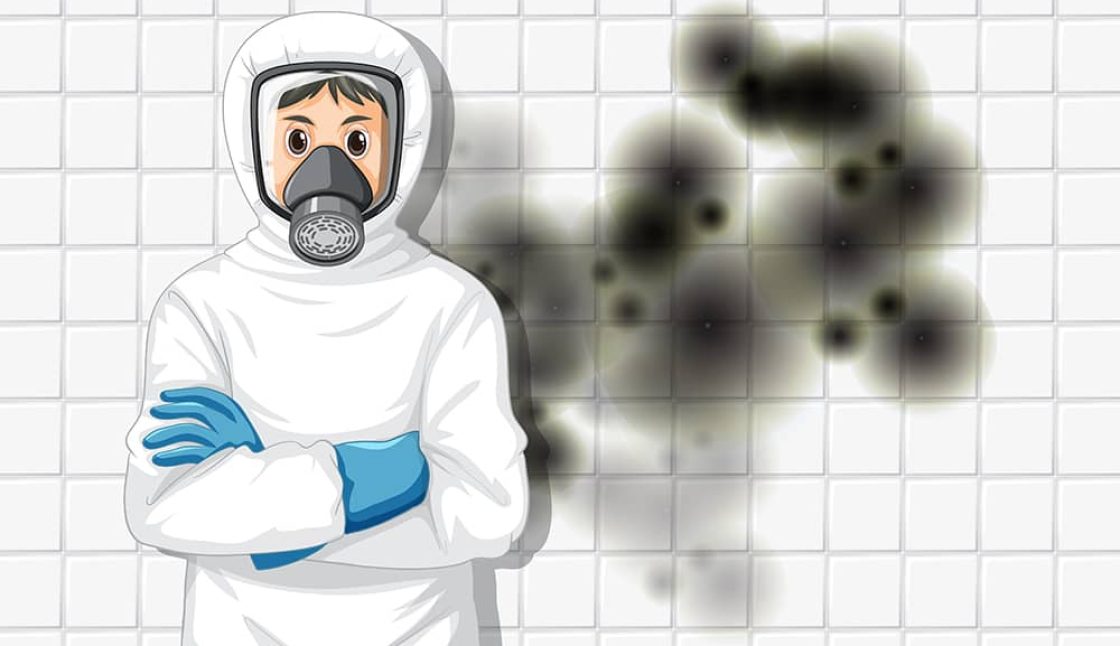
Inspection and Activity Assessment
The property inspection starts indoors and extends to the exterior where conditions allow. A technician may check baseboards, cupboards, appliances, storage areas, suspended ceilings, mechanical rooms, wall penetrations, and roof or foundation details.
A helpful inspection checklist records:
- Droppings, gnaw marks, odours, and visible mice
- Openings around pipes, wires, ducts, doors, and vents
- Possible nest locations and nesting materials
- Food storage and waste areas
- Signs of wiring damage or other property damage
- Conditions that could increase contamination risk
Activity tracking helps reveal where mice travel. Technicians may note droppings, rub marks, trap activity, and fresh damage during each visit. The pattern can reveal a main travel route, a feeding area, and likely nest locations.
The risk assessment should review the type of building, the number of occupants, food handling practices, children and pets, and the possibility of electrical or structural damage. A small visible problem may need treatment in hidden areas as well.
Sealing Entry Points and Entry Control
Exclusion means preventing mice from entering or moving between parts of a building. This work may include sealing cracks and gaps around foundations, walls, floors, doors, windows, vents, pipes, and cables.
Door sweeps can seal the gap beneath exterior doors. Utility openings may need extra attention because pipes and wires often pass through walls with loose or damaged seals. Vents should remain functional, so they must be protected with suitable screening rather than blocked.
Rodent-resistant materials may include wire mesh, hardware cloth, long-lasting sealants, metal sheeting, and additional materials selected for the location. Foam alone may not withstand repeated gnawing. A technician should explain which openings were sealed and identify repairs that remain the property owner’s responsibility.
Good entry point sealing helps with lasting mouse prevention. It also makes treatment more effective because new mice have fewer ways to return after mice are removed from the building.
Traps, Bait, and Mouse Removal
Treatment selection depends on the building, activity level, access, and safety conditions. Snap traps can provide a direct way to remove mice and verify mouse activity. They should be placed along travel routes and positioned so people and non-target animals cannot contact them.
Enclosed bait stations may be considered in locations where bait can be secured and monitored. Bait stations protect the bait from casual contact and help technicians monitor bait use. They must remain appropriate for the site, especially where children and pets are present.
Rodenticides require careful placement, labelling, monitoring, and disposal. A licensed pest control technician should select and handle these products according to current requirements. Bait should never be left loose in accessible areas.
Mouse removal includes more than collecting trapped rodents. It may involve locating carcasses, checking for hidden activity, removing accessible nesting materials, and advising on dropping cleanup. Humane removal may be possible in some situations, but the chosen method must also protect health, property, and building occupants.
Mouse Control for Homes and Businesses
Home pest control focuses on careful treatment inside occupied areas. Technicians need to assess bedrooms, kitchens, food cupboards, basements, garages, and household routines. They should explain where traps or bait stations will go and what occupants need to do around the service visit.
Commercial pest control requires closer monitoring. A business may need recorded inspections, sanitation recommendations, service records, and scheduled checks. Restaurants, food processors, retailers, warehouses, offices, and multi-unit buildings each have different risks.
Food storage is a critical part of control. Keep dry goods in sealed containers, remove damaged packaging, and clean spills quickly. Businesses should safeguard ingredients and finished products from food contamination. Employees should know how to report droppings, damaged packaging, or unusual sounds.
Health and safety concerns also affect the treatment plan. Mice can contaminate surfaces with urine, droppings, and hair. They may damage electrical wiring and insulation. A professional service should pair treatment with cleaning, repairs, stock protection, and access requirements.
Are Professional Mouse Treatments Safe?
Treatment by a professional can be safe when the technician performs a site assessment, follows product directions, and communicates clearly. Safety depends on placement, dose, access control, sanitation, and follow-up. No treatment should be chosen without considering children and pets.
Tamper-resistant stations help restrict access to bait. They still need to be placed where young children and household pets cannot reach them and checked according to the service plan. Traps also require proper positioning to prevent accidental contact.
click for infoIntegrated pest management combines inspection, sanitation, exclusion, monitoring, and targeted treatment. It reduces reliance on a single method. For example, sealing an opening and removing an accessible food source may prevent new activity more reliably than adding more bait.
Ask whether the person performing the work is a licensed pest control technician. You should receive information about products, preparation steps, re-entry instructions, trap or station locations, and what to do if activity continues. A safe treatment plan should be easy to follow for the people who use the building every day.
Ways to Stop Mice from Reappearing
The first step is prevention with proper cleaning. Remove food residues from counters, floors, shelves, and equipment. Inspect hidden areas beneath appliances and behind storage racks. Eliminate clutter that gives mice sheltered routes and nesting areas.
Food containers should close tightly and withstand chewing. Do not leave pet food out overnight. Store bird seed, animal feed, grains, and similar products in durable containers with fitted lids.
Waste management also matters. Use containers with secure lids, clean bins regularly, and keep indoor waste away from walls where possible. Outdoor waste should not create a protected food source beside the building.
Inspect doors, vents, foundations, pipe penetrations, and utility openings on a set schedule. Repair damaged screens and weather stripping. Exclusion work is easier before signs of activity appear.
A follow-up inspection checks whether droppings, trap activity, or new damage has stopped. It also confirms that exclusion repairs remain intact. Follow-up service may identify a second entry point that was hidden during the first visit.
Mice Control Cost and Service Timeline
There is no single treatment price for every property. Treatment cost factors include building size, the number of affected areas, access conditions, infestation severity, entry point repairs, treatment methods, sanitation needs, and the time required for monitoring.
A light problem with one accessible entry point may need fewer visits than an established infestation spread through walls, storage areas, and several rooms. Commercial sites may require documentation, scheduled monitoring, and service outside normal operating hours.
Infestation severity affects both the work involved and the service frequency. A technician may recommend an initial visit followed by one or more checks. Active buildings often need more frequent monitoring until signs decline.
Follow-up visits can confirm that traps are working, bait stations remain secure, and new activity has stopped. They also provide an opportunity to complete entry point sealing and review sanitation measures. Ask for a written description of included visits, exclusions, repair charges, and any service guarantees before work begins.
The timeline depends on the number of mice, their access to food and shelter, the building layout, and how quickly openings are repaired. You may see reduced activity after treatment, but hidden mice and inaccessible nests can require continued monitoring.
Frequently Asked Questions About Rodent Control
How can I tell if I have mice in my Sarnia home?
Look for mouse droppings, gnaw marks, scratching noises, grease marks, shredded nesting materials, and unusual odours. Droppings near food storage or along walls are a strong reason to arrange a property inspection. A technician can confirm active mouse activity and identify likely entry points.
What attracts mice to homes in Sarnia?
Food sources, warm shelter, water, clutter, and unsealed openings attract mice. Pet food, garbage, bird seed, pantry goods, and small spills can support activity. Mice often enter through gaps around doors, pipes, vents, foundations, and utility lines.
How much does mice control in Sarnia cost?
The cost is affected by treatment cost factors such as infestation severity, building size, access, entry point sealing, treatment type, and follow-up service. Arrange an inspection and written treatment plan so you can compare what each service includes rather than comparing prices alone.
Are mouse traps or bait better for Sarnia homes?
Neither option is suitable for every property. Snap traps can provide direct mouse removal and clear activity evidence. Enclosed bait stations may suit some locations when they can be secured and monitored. A professional should consider children and pets, access, activity level, and the need for exclusion before selecting a method.
How quickly can a Sarnia pest control company remove mice?
A technician may place traps or stations during the first visit, but the full timeline varies. Hidden mice, multiple nest locations, building access, and unresolved entry points can extend treatment. Effective mouse control includes monitoring and entry point sealing, not only the first removal step.
How can I stop mice from entering my home?
Seal cracks and gaps around the foundation, doors, vents, pipes, and utility openings. Store food in secure food containers, practise sanitation, manage waste, reduce clutter, and repair damaged door sweeps or screens. Regular checks strengthen mouse prevention before signs become visible.
Is professional mice control suitable for children and pets?
It can be safe when a licensed pest control technician assesses the property and places traps or tamper-resistant stations correctly. Tell the technician about children and pets before treatment. Follow all preparation, access, cleaning, and re-entry instructions provided for the specific service.
Do Sarnia pest control companies offer follow-up visits?
Many pest control companies offer follow-up visits, but the number and timing vary by service agreement. Ask whether follow-up inspection, station checks, trap monitoring, entry point repairs, and service guarantees are included. Follow-up service is useful for confirming that activity has ended and preventing a recurring infestation.
Report this page